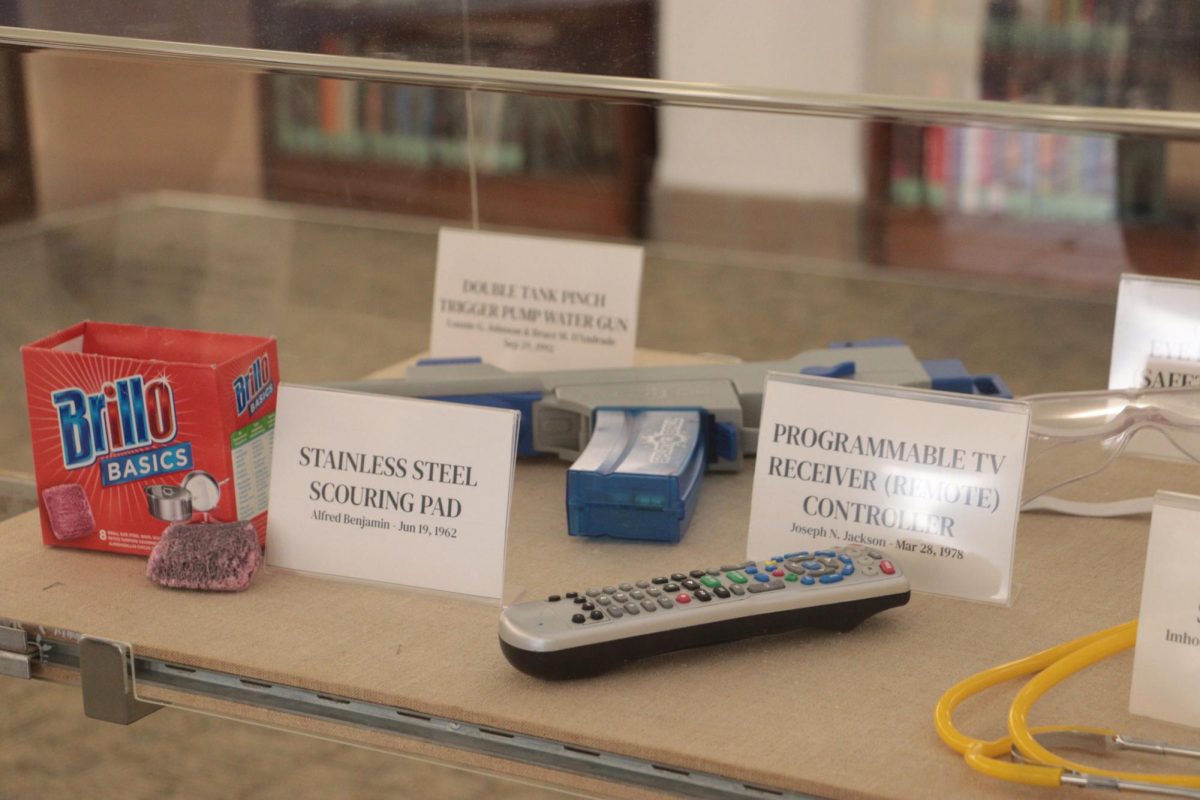

From the fire extinguisher to caller IDs, many inventions people use daily trace back to African American innovators.
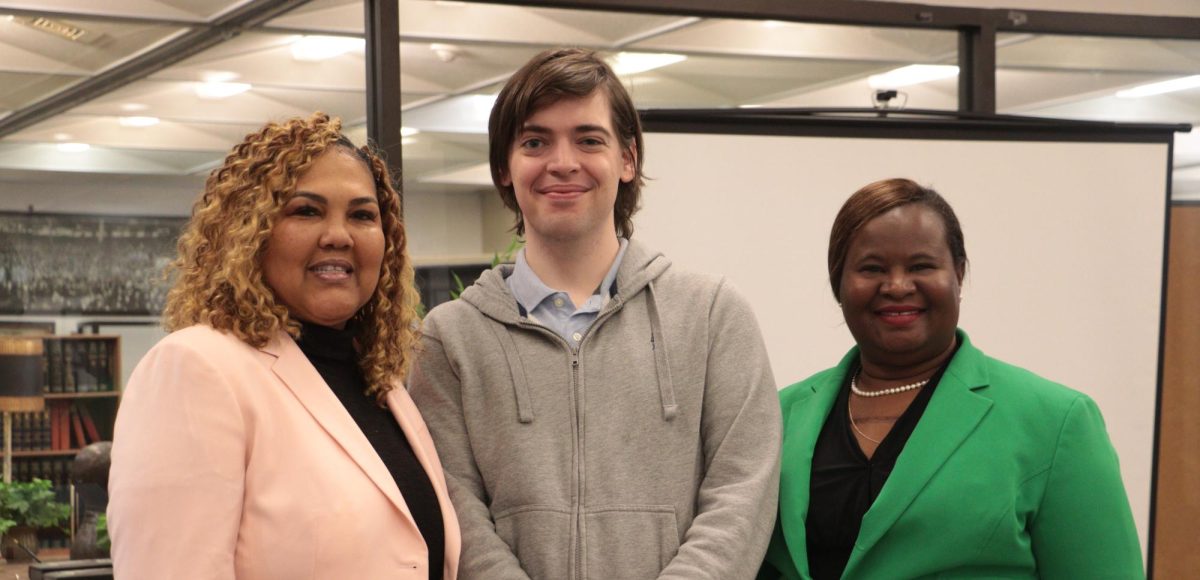
That was the message delivered on Wednesday, Feb. 25, during a Black History Month lecture at Sims Memorial Library, where Dionne Reed presented “African-American Innovation and Inventions” in partnership with the Tangipahoa African American Heritage Museum and Veterans Archive.
Reed, the museum’s outreach and marketing director, said she hopes the presentation encourages students to see themselves as future innovators.
“I hope that this presentation on African American inventors and innovators will inspire you again to become one,” Reed said.
Throughout the lecture, Reed highlighted historical and modern contributions that are often overlooked. She pointed to Thomas J. Martin, who patented an improved fire extinguisher in 1872, making it more portable and practical for home use.
She also discussed medical advancements, noting that while the stethoscope is commonly credited to French physician René Laennec, ancient Egyptian Imhotep used early heart-listening instruments, according to historical evidence.
Other innovators mentioned included Alice H. Parker, inventor of the gas furnace; Madam CJ Walker, a pioneering entrepreneur in hair care and beauty products; and telecommunications researcher Dr. Shirley Ann Jackson, whose work contributed to call ID and fiber optic technology.
Reed also emphasizes contemporary achievements, such as Deja Taylor’s development of color-changing sutures designed to help detect infection on darker skin. The invention addresses disparities in medical diagnosis and reflects the ongoing impact of representation in science and technology.
“Many of these things you’ve heard of, but you didn’t know that there was an African American contributor to that,” Reed said.
The lecture also spotlighted the Tangipahoa African American Heritage Museum, established in 1984 and located in Hammond. The museum features eight galleries, more than 20 original murals and numerous artifacts documenting African American history in Louisiana and beyond.
Reed encouraged attendees to continue learning and contributing to innovation.
“There’s always a need. There’s always a new way of doing things,” she said.
The event underscored how past and present innovations shape everyday life, and future breakthroughs may come from the next generation of students.