

Southeastern Louisiana students will vote on a series of proposed self-assessed fee increases during the Spring 2026 SGA election, following approval from the University of Louisiana System Board of Supervisors in December 2025.
The proposals include increases to five existing student fees: the student recreational operating fee, campus shuttle system fee, Campus Activities Board fee, spirit group fee and Lion Athletics fee. If approved by students, the new fees would take effect beginning in the Fall 2026 semester. If rejected, current fee rates would remain unchanged.
The proposed fees will be included in the regular SGA spring election ballot alongside votes for SGA president, vice president and chief justice. Students will submit ballots through the university’s online election portal from Monday, March 23, to Thursday, March 26.
According to University of Louisiana System documents, the student recreational operating fee would increase from $21 to $41 per semester for fall and spring semesters. The proposal cites aging equipment and facilities at the Pennington Student Activity Center as contributing to higher maintenance costs.
Additional recreational spaces, including the pool, tennis and pickleball courts and intramural fields, also need upgrades to maintain safety and durability.
The campus shuttle system would increase from $12 to $25 per semester. According to the proposal, shuttle operations are at capacity and face rising costs for maintenance, insurance and driver wages. The increase is intended to maintain current routes and support expanded service. The documents note that a new shuttle bus costs approximately $150,000.
The Campus Activities Board fee would increase from $10 to $13 per semester. The proposal cites higher event production, vendor and operational costs for student programming.
The spirit group fee would rise from $4 to $13 per semester to support cheer, dance and mascot programs, with increased expenses for travel, uniforms, safety equipment and competitions.
The Lion Athletics fee would increase from $100 to $125 per semester. University documents state that rising costs related to travel, equipment, compliance and facilities have outpaced current funding levels.
Zachary Handlin, coordinator and advisor of SGA and Organizational Development, said the upcoming election marks the first time in several years that students have been asked to vote on changes to self-assessed fees.
According to Handlin, the proposals followed a multi-step review process that included evaluation by a student budget oversight committee, approval by the SGA Senate and authorization by the University of Louisiana System Board of Supervisors before advancing to a student vote.
Each proposal requires a simple majority to pass. If 51% of the students vote ‘yes’ on a proposal, then it will be passed.
“This is actually the first time a fee is being presented toward the students for a vote in about six or seven years,” Handlin said. “We’re going to be having a lot of opportunities for students to come and learn about these fee increases and learn about what the benefit will be for the student.”
In the weeks leading up to the election, SGA will host multiple informational events to explain details regarding the proposed fee increases and the services they would fund. Tabling events are scheduled for Wednesday, March 4, Monday, March 9 and Thursday, March 19, in the Student Union Breezeway with additional outreach planned during election week.
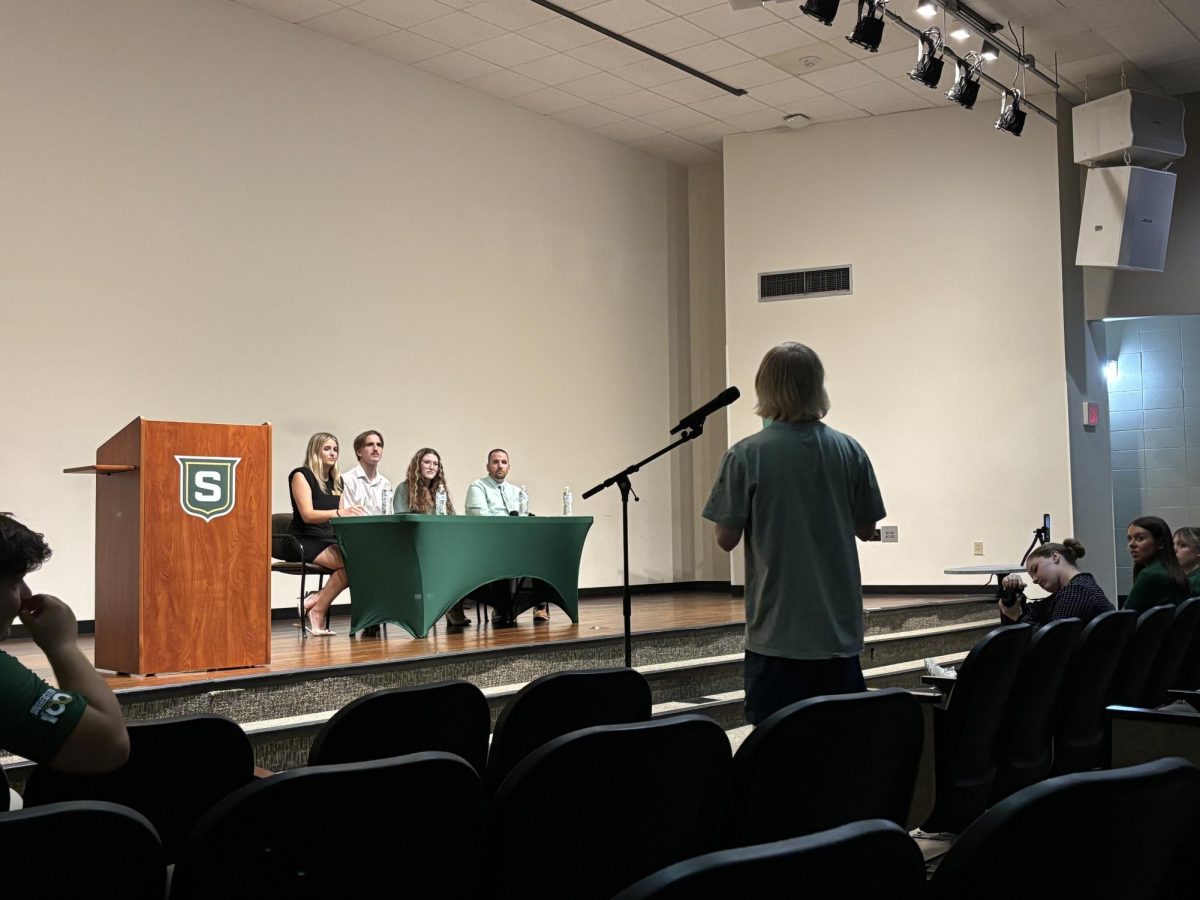
SGA will host its final event on the proposed fees on Tuesday, March 24, at the Hammond City Council Annex. This event will allow students to ask questions and receive information directly from university representatives and fee holders.
Despite the promotion, SGA is aware that some students may express concerns or frustration about the proposed increases, particularly regarding affordability and the cumulative cost of attending college. However, SGA’s goal is to encourage students to constantly seek information about the fees before casting their votes.
“We understand that when students see an increase, the first reaction can be negative,” Handlin said. “That’s why we’ve been very mindful about providing opportunities for students to ask questions and learn why these fee holders are requesting increases.”
As the election approaches, SGA leaders say the focus remains on providing students with opportunities to ask questions and access information about the proposed fee increases and the voting process.
There will be additional reporting in the weeks leading up to the Spring 2026 election. Coverage will include interviews with additional SGA leadership and student perspectives on the proposed fee increases and the election process.